Search our Site
Welcome to our sitemap and search web page. Use the search box to find a specific word, term or phrase, or just browse through the list of web pages in our site!
-
ww.taranis.us
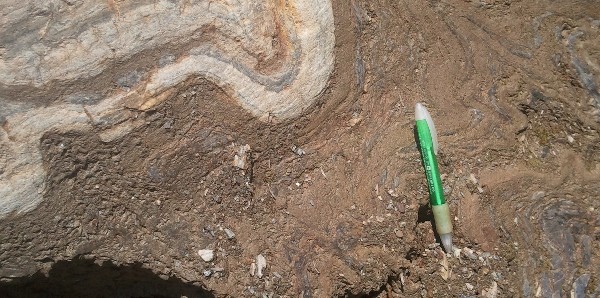
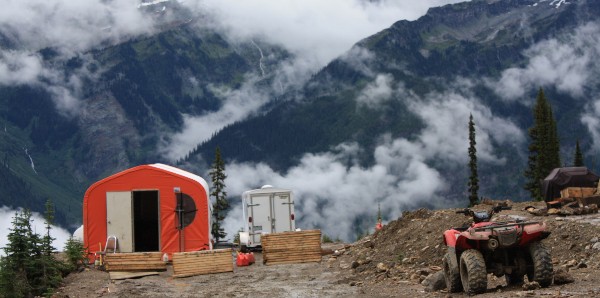
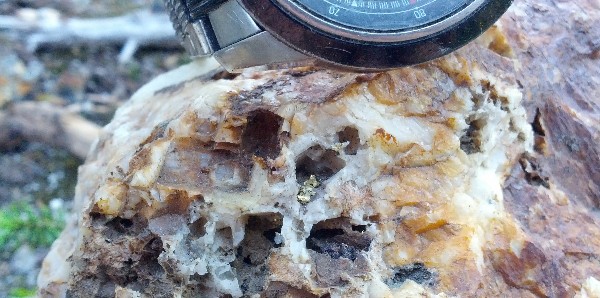
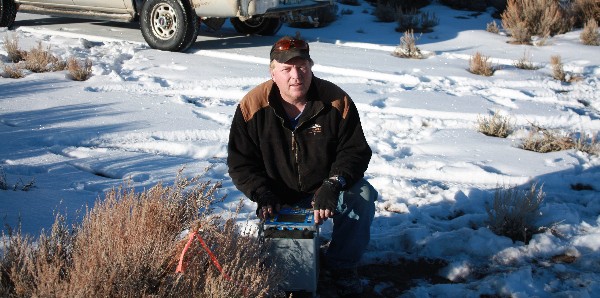
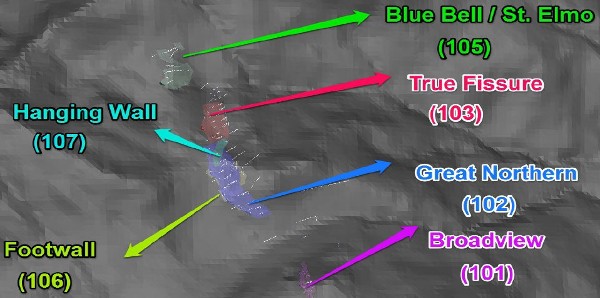
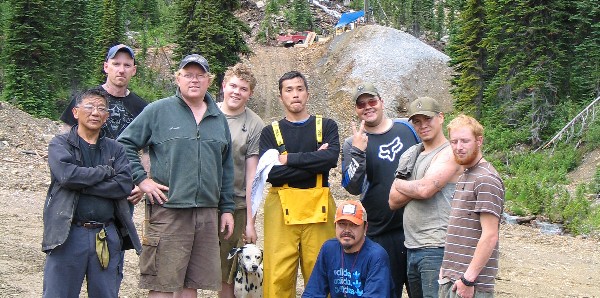
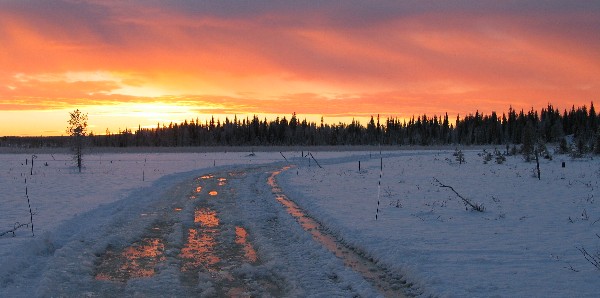
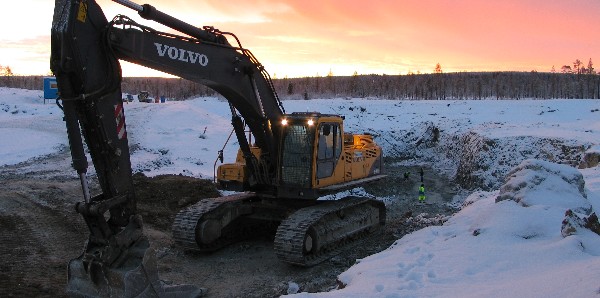
Rocks can be"Big-Business" and it is important to be able to understand what they tell us. They host all of the metals that we use in everyday life, include gold, silver, copper lead and zinc. To find out more information about Taranis, click on the View Page.
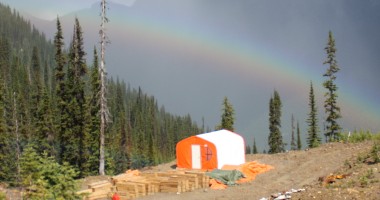
Ore deposits have been sought for thousands of years, and the most obvious deposits have been already mined-out. The quest for these deposits takes us to places that are remote. To find out more infomation on our Thor Project, click on the View Page.
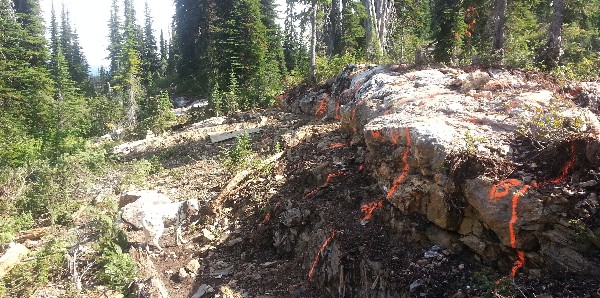
It is still possible to find gold, silver and other metals near surface provided you have all the "right stuff". The deposits need to be trenched and drilled to develop the mineral occurrences into Resources. To find out about the Resource Taranis has developed at Thor, click on the View Page.
Many ore deposits are no longer found using the traditional prospecting methods, and require an indepth knowledge of not only geology, but other sciences including geophysics, computer science and geochemistry. To find out more infomation on our Directors, click on the View Page.
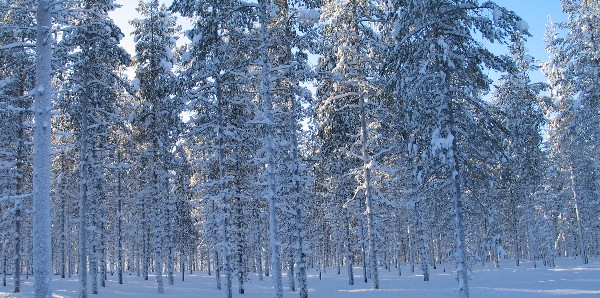
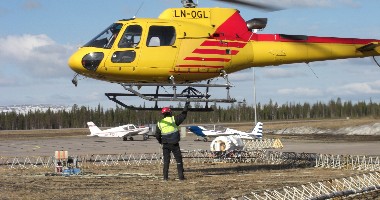
Exploration is essentially seeing through the Forest and finding a valuable tree. Sometimes the tree cannot be seen with the naked eye and requires technology that was not available to old-time prospectors. To find out how we use geophysics in Finland, click on the View Page.
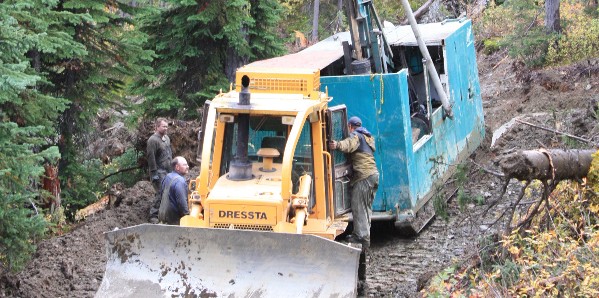
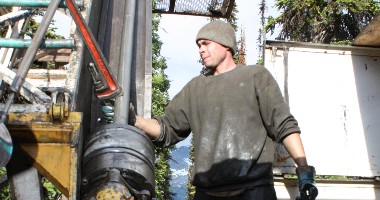
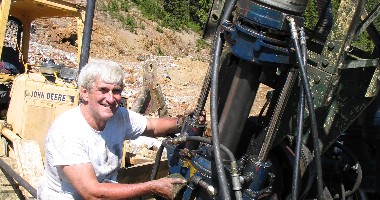
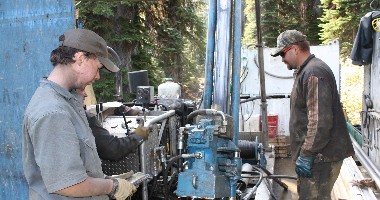
It is almost impossible to build a valuable Resource without using diamond drills. Diamond drilling is costly, and when done correctly it can be used to build an NI 43-101 Resource of valuable metals in the ground. To find out how we used drills to build a +1 M tonne Resource at Thor, click on the View Page.
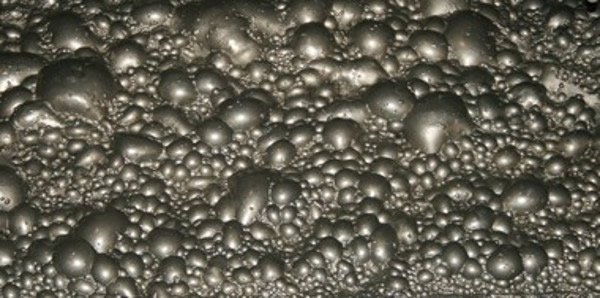
Once a promising deposit of metals is found, it is necessary to evaluate the ability to be able to recover these metals out of the ground. There are many means to refine and concentrate ore, including gravity separation, and flotation. To find out about the recent metallurgical work at Thor, click on the View Page.
One of the main criticism of junior exploration companies by the public is the lack of focus to develop Resources on a Property. To discover more on the Resource at Thor, click on the View Page.
The objective of any exploration program should be the discovery and the identification of Mineral Resources that can ultimately be classified into an NI 43-101 Resource, and ultimately mined to the benefit of the economy and the company's shareholders. To find out more information about Taranis, click on the View Page.
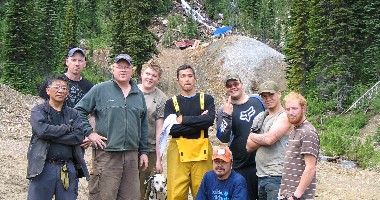
Exploration is a capital intensive business, and it involves a lot of problem solving to find solutions to problems to test and evaluate the potential of an exploration property. To find out more information about our Directors, click on the View Page.
Under all the beautiful landscapes and the setting sun, lies Risk! The prudent junior mining company learns how to manage risk carefully, and not casue excessive dilution to the shareholders of the company. To find out more information about our share capital, click on the View Page.
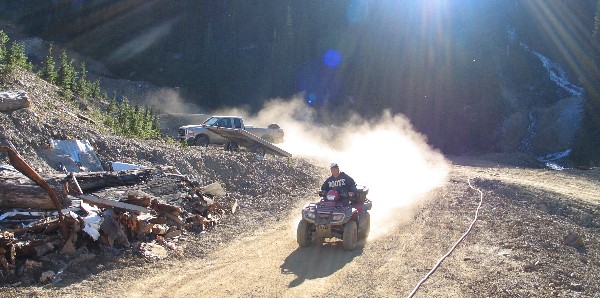
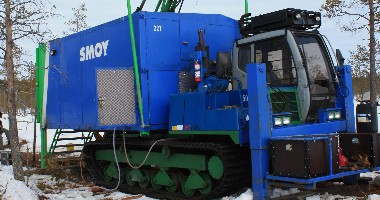
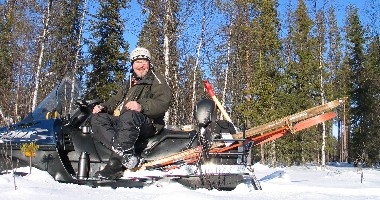
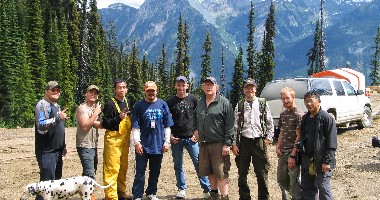
Exploration involves using a "toolbox" of equipment, each tool tailored to accomplish a specific objective in the exploration program. They can range from a hand-lens to an excavator, each looking to find an ore deposit. To see some images in our Gallery, click on the View Page.
Exploration involves getting your hands dirty to find the answers to the questions that guide the exploration directive, and this information needs to get publicised to inform shareholders of our progress. To find out more information about News Releases, click on the View Page.








Welcome to our sitemap and search web page. Use the search box to find a specific word, term or phrase, or just browse through the list of web pages in our site!

Copyright 2014.Taranis Resources Inc. All Rights Reserved.